Broiler Chicken vs Country Chicken: Nutritional Differences and Health Impact Analysis
What is Broiler Chicken?
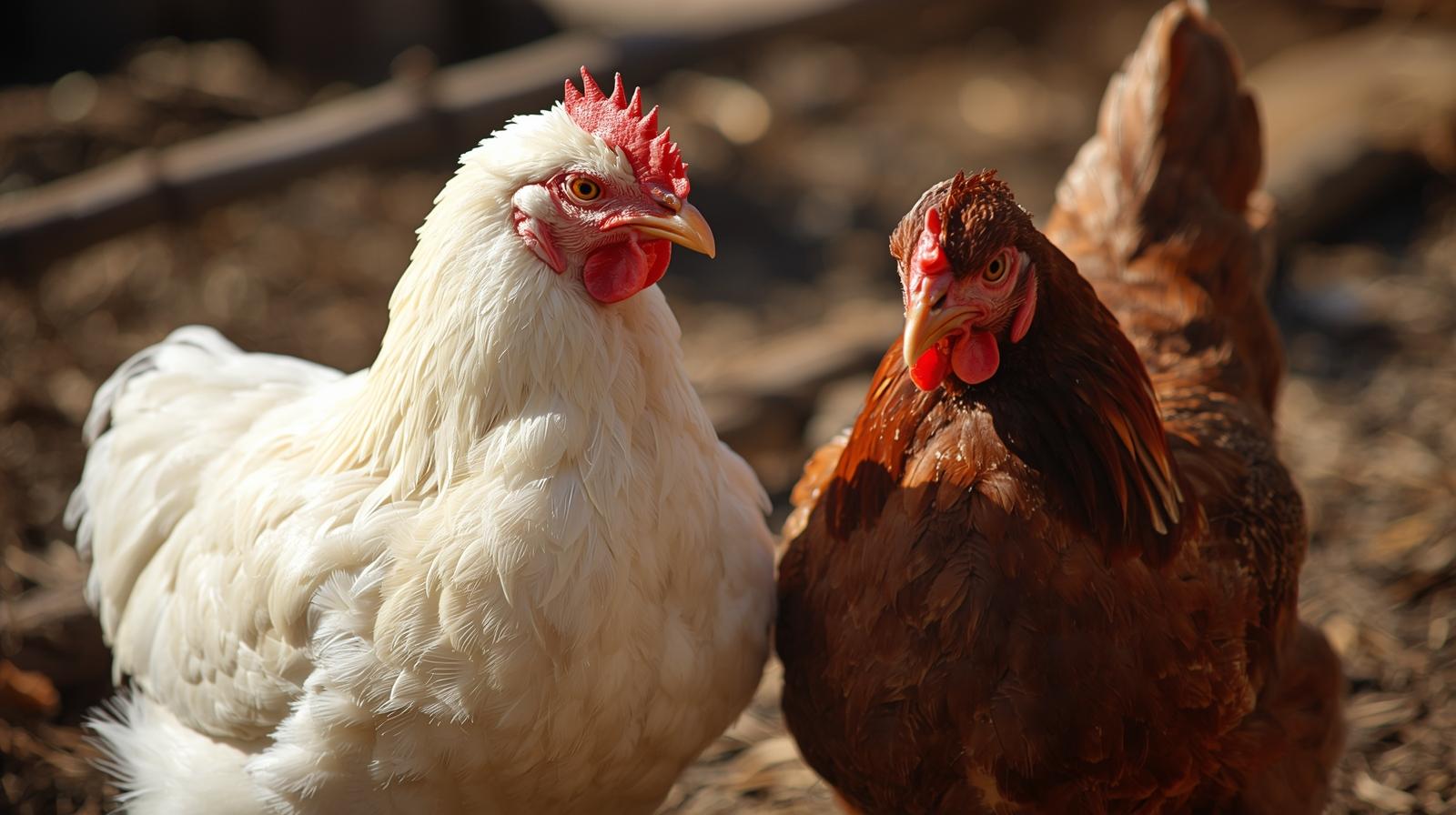
Broiler chicken is a type of chicken specifically bred for meat production. These birds are raised in controlled environments on farms with the goal of rapid growth. Typically, broiler chickens are ready for market in about 6 to 8 weeks, thanks to specially formulated feed that promotes fast muscle deposition.
While commercially convenient and cost-effective, broiler chickens often have higher fat content compared to native breeds. The rapid growth process sometimes leads to an accumulation of body fat rather than lean muscle, which may impact nutritional quality.
Broiler meat is known for its softer texture, making it more palatable and easier to cook across multiple recipes. However, its nutritional profile tends to be lower in essential micronutrients compared to country chicken.
Overall, broiler chicken is widely available at affordable prices and is a staple in many households. It’s a good source of protein but should be consumed in balance due to its higher fat content.
What is Country Chicken?
Country chicken — also known as desi chicken, native chicken, or village chicken - refers to birds raised in more natural settings, often in free-range environments. These birds grow slowly over several months, allowing them to develop more lean muscle and firmer meat.
Unlike broilers, country chickens are not fed scientifically formulated feeds designed to accelerate growth. Instead, they graze, forage, and consume natural grains and insects. This contributes to a different texture and flavor
- meat that is firmer, tastier, and often preferred for traditional Indian recipes like curries and biryanis.Because of their natural diet and lifestyle, country chickens tend to have higher levels of essential micronutrients and a healthier fat profile. Nutrition experts often recommend them due to their higher protein density and lower risk of excess fat.
However, country chicken is generally more expensive and less widely available in urban markets compared to broiler chicken.
Nutritional Comparison: Protein, Fats & Calories
To fairly compare broiler chicken and country chicken, we look at major nutrients — especially protein and fats.
Broiler Chicken
- Typically higher in total fat
- Slightly higher calories
- Moderate protein content
Country Chicken
- Higherlean protein per 100g
- Lower overall fat
- Richer micronutrient profile
The slower growth rate of country chicken results in higher muscle development, which correlates to a better protein-to-fat ratio. Studies indicate that native chicken meat can offer better nutritional quality, making it a healthier option for diets focused on fitness or weight control.
However, both types provide ample protein and essential amino acids needed for muscle repair, immunity, and metabolic functions.
Taste & Texture Differences
Texture and taste can be as important as nutrition when choosing chicken.
Broiler Meat
- Softer and juicier
- Mild flavor
- Preferred in fast cooking (fried chicken, kebabs)
Country Chicken Meat
- Firmer texture
- More intense, gamey flavor
- Ideal for slow-cooked dishes
Country chicken’s firmer texture comes from a longer growth period and greater activity. For many food lovers, this richer taste makes country chicken a superior culinary choice for soups, traditional recipes, and festive meals.
In contrast, broiler chicken’s mild flavor makes it versatile for modern recipes but less distinct in taste.
Health Benefits of Eating Country Chicken
Country chicken offers several health advantages:
Better Protein Quality
Lower Fat Content
Natural Lifestyle
Richer Micronutrients
Country chicken has a higher proportion of muscle than fat, supporting muscle repair and weight management.
Lower fat makes it suitable for heart-healthy diets and those watching calorie intake.
Raised in free-range environments with minimal hormones or antibiotics.
Contains more vitamins like B12 and minerals like iron and zinc.
Due to these factors, nutritionists often recommend country chicken for individuals focused on weight loss, metabolic health, and longevity.
Concerns With Broiler Chicken
Rapid Growth
Hormones & Antibiotics
Higher Fat Content
Selective breeding and high-energy feeds can lead to fat deposition rather than lean muscle.
In some farming systems, broiler chickens are exposed to medication to prevent disease, which can raise health concerns when residues remain in the meat.
More saturated fats can influence cholesterol levels if consumed frequently.
That said, properly regulated farming, hygienic processing, and moderate consumption can mitigate most risks. Broiler chicken remains a valuable protein source when integrated into balanced diets.
Price & Availability Comparison
Broiler Chicken
- Widely available
- Lower price
- Convenient
Country Chicken
- Harder to find in supermarkets
- Often more expensive
- Local market supply
Country chicken's slower growth and traditional rearing contribute to higher costs - but many consumers are willing to pay a premium for better nutrition and taste.
Cooking & Culinary Uses
Texture influences how each type should be cooked:
Broiler Chicken
- Works well in quick-cook recipes
- Fried, grilled, or stir-fried dishes
- Soft meat absorbs marinades easily
Country Chicken
- Best for slow cooking
- Curries, soups, biryanis
- Meat stays firm and flavorful
Traditional Indian dishes like Chettinad chicken curry, chicken biryani, and pepper chicken often use country chicken for its richer texture and depth of flavor.
Cultural & Traditional Preferences
In many parts of India - especially rural areas - country chicken is culturally preferred. It symbolizes authentic taste and quality. South Indian states like Tamil Nadu, Kerala, Andhra Pradesh, and Karnataka frequently use country chicken in traditional recipes.
Urban consumers also prefer country chicken for special occasions and festivals due to its distinct taste and perceived health benefits.
Which One Should You Choose?
The best choice depends on your health goals:
Choose Country Chicken if:
- You want lean protein
- You are focused on weight management
- You prefer stronger flavor
- You aim for a healthier fat profile
Choose Broiler Chicken if:
- You want cost-effective protein
- You need quick-cook meat
- You prefer softer texture
Both can be part of a balanced diet — it’s about frequency, portion size, and cooking method.
Conclusion
Both broiler chicken and country chicken provide high-quality protein, but they differ significantly in nutrition, taste, texture, and health value.
- Country Chicken tends to be healthier - higher in lean protein, lower in fat, and richer in nutrients.
- Broiler Chicken is affordable, easily available, and versatile for modern cooking.
For individuals focused on well-being, digestion, metabolic health, and balanced diets, country chicken is the better choice. However, occasional consumption of broiler chicken is also perfectly healthy when cooked appropriately and eaten in moderation.
FAQs
Is country chicken healthier than broiler chicken?
Yes. Country chicken is generally leaner, higher in protein, and lower in fat than broiler chicken.
Which chicken has more taste?
Country chicken has a stronger, richer flavor, while broiler chicken is milder.
Can broiler chicken cause health issues?
When eaten very frequently or fried, broiler chicken’s higher fats may impact cholesterol levels.
Is country chicken more expensive?
Yes, due to slower natural growth and higher rearing costs.
Is broiler chicken safe to eat?
Yes — when sourced from regulated farms and cooked properly.
References
- https://www.healthline.com/nutrition/chicken-nutrition
- https://www.ncbi.nlm.nih.gov/pmc/articles/PMC
- https://www.thespruceeats.com/
- https://www.whfoods.com/genpage.php?tname=foodspice&dbid=87