Paneer vs Tofu - Nutritional Comparison, Health Benefits, and Clinical Insights for Better Diet Choices
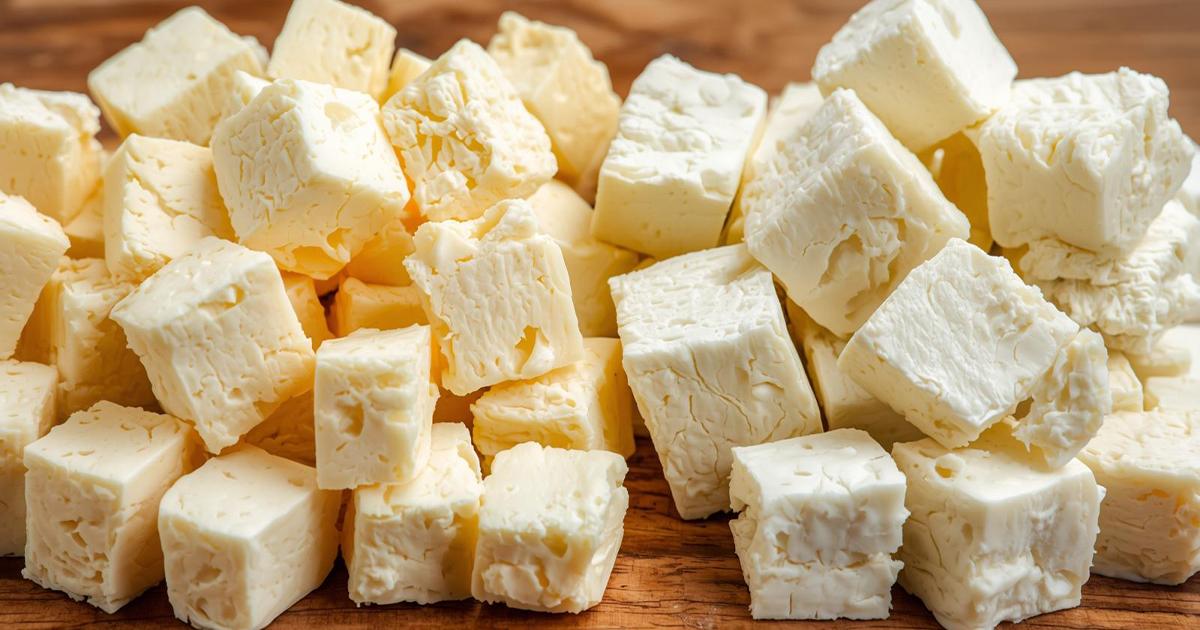
Paneer and tofu are two popular protein-rich foods widely used in vegetarian diets across the world. Paneer, also known as Indian cottage cheese, is a fresh dairy product made by curdling milk with an acidic agent. Tofu, on the other hand, is a soy-based product prepared by coagulating soy milk and pressing it into blocks. While both are considered excellent meat alternatives, their nutritional composition, digestibility, fat profile, and health impact differ significantly.
Paneer is traditionally consumed in South Asian cuisine and is valued for its creamy texture and rich taste. Tofu is widely used in East Asian diets and is known for its versatility and lower fat content. This evidence-based comparison explores differences in calories, protein quality, fat composition, calcium levels, impact on heart health, diabetes management, weight control, and suitability during pregnancy. Understanding these distinctions helps individuals make informed dietary decisions aligned with clinical nutrition goals and lifestyle preferences.
Nutritional Differences
Paneer and tofu differ notably in their macronutrient composition. Paneer is higher in calories and fat because it is derived from whole milk. On average, 100 grams of paneer provides approximately 250-300 kcal, 18-20g protein, and 20-25g fat. Tofu, in contrast, is significantly lower in calories, offering around 70-120 kcal per 100 grams, with 8-12g protein and 4-7g fat depending on firmness.
Tofu contains predominantly unsaturated fats, including heart-friendly polyunsaturated fatty acids. Paneer contains saturated fat due to its dairy origin, which may influence cholesterol levels if consumed excessively. Tofu also provides plant-based phytonutrients such as isoflavones, which have antioxidant properties. Paneer offers higher natural calcium content if made from dairy milk. From a preventive health standpoint, tofu is often preferred for calorie control and cardiovascular health, while paneer provides concentrated protein and energy for individuals with higher calorie requirements.
Protein and Muscle Health
Both paneer and tofu are valuable protein sources for vegetarians. Paneer contains complete protein derived from milk, meaning it provides all essential amino acids required for muscle repair and tissue maintenance. This makes it particularly beneficial for athletes, growing adolescents, and elderly individuals aiming to prevent muscle loss.
Tofu also provides high-quality protein, though slightly lower in total protein content compared to paneer per serving. However, soy protein has been extensively studied for its positive impact on muscle preservation and metabolic health. For individuals following plant-based diets, tofu serves as an effective alternative to dairy protein. Pairing tofu with whole grains can further enhance amino acid balance. Both foods support lean muscle development when incorporated into balanced meals, though paneer offers higher protein density while tofu offers a lighter, lower-calorie option for those focusing on weight management.
Digestive Health and Tolerance
One major difference between paneer and tofu lies in digestive impact. Paneer contains no fiber and may be difficult to digest for individuals who are lactose intolerant or sensitive to dairy fats. Although paneer has minimal lactose compared to milk, some individuals may still experience bloating or heaviness.
Tofu is lactose-free and generally easier to digest for most people. It contains small amounts of dietary fiber when minimally processed and supports gut-friendly plant-based eating patterns. Additionally, tofu does not contain cholesterol, unlike paneer, which naturally contains dietary cholesterol due to its dairy origin. From a gastrointestinal perspective, tofu may be better tolerated, especially for individuals with dairy intolerance, IBS tendencies, or cholesterol concerns. Proper portion control and cooking methods improve digestibility for both foods.
Iron Content and Energy Support
Iron plays a crucial role in oxygen transport and preventing fatigue. Tofu contains significantly more iron compared to paneer because soybeans are naturally iron-rich. This makes tofu particularly beneficial for vegetarians at risk of iron deficiency, especially women of reproductive age.
Paneer contains minimal iron but provides vitamin B12, a nutrient absent in plant-based tofu unless fortified. Vitamin B12 is essential for nerve function and red blood cell formation. Therefore, paneer may benefit individuals at risk of B12 deficiency. For optimal iron absorption from tofu, pairing it with vitamin C-rich vegetables enhances bioavailability. Choosing between paneer and tofu for anemia prevention depends on individual nutrient needs and overall dietary balance.
Calcium and Bone Health
Paneer is traditionally recognized as a calcium-rich dairy product that supports bone density and dental health. It naturally contains high levels of calcium derived from milk, making it beneficial for growing children, pregnant women, and postmenopausal women at risk of osteoporosis.
Tofu can also be an excellent calcium source, particularly when prepared using calcium sulfate as a coagulant. In such cases, tofu may contain calcium levels comparable to or even higher than paneer. Additionally, tofu contains magnesium and phytonutrients that support bone metabolism. Both options contribute to skeletal strength; however, individuals with lactose intolerance may prefer calcium-set tofu as a dairy-free alternative for maintaining bone health.
Impact on Blood Glucose Levels
Tofu has a very low glycemic index and contains minimal carbohydrates, making it highly suitable for individuals managing diabetes or insulin resistance. The combination of plant protein and healthy fats helps stabilize blood sugar levels and reduce post-meal glucose spikes.
Paneer also has a low carbohydrate content and does not significantly elevate blood sugar levels. However, its higher saturated fat content should be monitored in individuals with metabolic syndrome or cardiovascular risk factors. From a clinical perspective, tofu may provide additional metabolic benefits due to its isoflavone content and lower calorie density. Both foods can be included in diabetic meal plans when consumed in moderation and prepared using healthy cooking methods.
Weight Management and Metabolism
For weight loss or calorie-controlled diets, tofu is generally preferred because it is lower in calories and fat. It provides adequate protein to promote satiety while keeping overall energy intake moderate. The presence of plant-based compounds may also support improved metabolic efficiency.
Paneer, being calorie-dense, may contribute to weight gain if consumed excessively. However, in high-protein diets aimed at muscle gain or in individuals with higher energy needs, paneer can be a valuable addition. Choosing low-fat paneer options can reduce calorie load while preserving protein intake. Ultimately, portion control determines whether either food supports or hinders weight management goals.
Pregnancy and Women’s Health Benefits
During pregnancy, protein, calcium, and iron requirements increase significantly. Paneer offers high-quality protein and calcium, along with vitamin B12, which is essential for fetal neurological development. It can support maternal bone health and energy levels when consumed safely.
Tofu provides plant-based iron and protein, making it beneficial for vegetarian mothers. Calcium-set tofu further enhances bone support. However, pregnant women should ensure tofu is sourced hygienically and cooked properly. Both foods can be included as part of a balanced prenatal diet, depending on dietary preferences and tolerance.
Culinary Uses and Taste Differences
Paneer has a rich, creamy texture and mild dairy flavor that pairs well with Indian curries, gravies, and grilled dishes. It retains shape during cooking and absorbs spices effectively. Its slightly firm yet soft texture makes it versatile in both savory and mildly sweet recipes.
Tofu has a neutral flavor and softer texture, allowing it to adapt to various cuisines including stir-fries, soups, salads, and smoothies. Extra-firm tofu can be grilled or baked, while silken tofu works well in desserts. Taste preference and dietary goals often determine the better choice between the two.
Conclusion
Paneer and tofu are both excellent vegetarian protein sources with distinct nutritional profiles. Paneer offers higher protein density, calcium, and vitamin B12 but contains more calories and saturated fat. Tofu is lower in calories, rich in iron, lactose-free, and heart-friendly due to its unsaturated fat profile. The ideal choice depends on individual health goals, dietary restrictions, and metabolic needs. Including either in moderation within a balanced diet supports muscle health, bone strength, and overall wellness.
FAQs
Which is healthier - paneer or tofu?
Tofu is lower in calories and saturated fat, making it heart-friendly, while paneer provides higher protein and vitamin B12.
Is tofu better for weight loss?
Yes, tofu is generally preferred for weight loss due to its lower calorie and fat content.
Can lactose-intolerant individuals eat paneer?
Some may tolerate paneer in small amounts, but tofu is a safer lactose-free alternative.
Is paneer good for muscle building?
Yes, paneer provides complete dairy protein beneficial for muscle repair and growth.
Web References
- Indian Food Composition Tables (IFCT), ICMR-NIN
- USDA FoodData Central
- Harvard T.H. Chan School of Public Health - Protein Sources
- American Heart Association - Dietary Fats
- National Institute of Nutrition - Dietary Guidelines