Black Grapes vs Green Grapes - Nutritional Value and Clinical Insights for Better Health
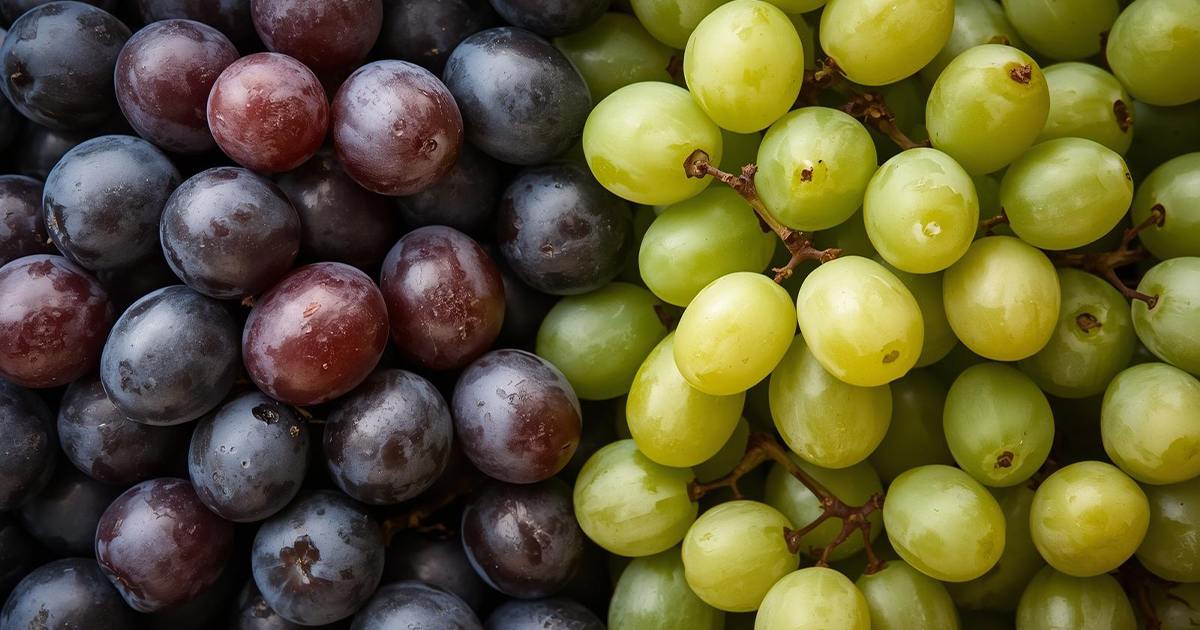
Black grapes and green grapes are among the most widely consumed fruits worldwide. Though they belong to the same species, their pigmentation, antioxidant concentration, and phytonutrient profiles differ. These differences influence heart health, metabolic response, skin benefits, and overall disease prevention. Understanding their nutritional variations helps individuals make informed dietary choices aligned with preventive healthcare goals. This article provides a detailed evidence-based comparison to support balanced nutrition planning.
Nutritional Differences
Both black and green grapes provide approximately 69 kcal per 100 grams and are rich in water, natural sugars, vitamin C, vitamin K, and potassium. However, black grapes contain anthocyanins and higher levels of resveratrol due to their dark pigmentation.
Nutritional Profile (Per 100g) - Black Grapes- Calories: ~69 kcal
- Carbohydrates: ~18g
- Fiber: ~0.9g
- Vitamin C: Moderate
- Resveratrol: Higher
- Anthocyanins: Present
- Calories: ~69 kcal
- Carbohydrates: ~18g
- Fiber: ~0.9g
- Vitamin C: Moderate
- Resveratrol: Lower
- Anthocyanins: Absent
Antioxidant and Phytonutrient Differences
Black grapes are rich in anthocyanins and resveratrol, compounds associated with reduced oxidative stress and cardiovascular protection. These antioxidants help neutralize free radicals and may reduce chronic disease risk.
Green grapes also contain flavonoids and vitamin C but lack anthocyanins. While both offer antioxidant protection, black grapes generally show higher total antioxidant activity due to deeper pigmentation.
Heart Health and Circulation
Resveratrol in black grapes may support vascular function and help reduce LDL cholesterol oxidation. Potassium in both varieties contributes to blood pressure regulation.
For individuals monitoring cardiovascular risk, routine screening through:
is recommended for preventive cardiovascular monitoring.
Impact on Blood Glucose Levels
Both grape varieties contain natural sugars such as glucose and fructose. Their glycemic index is moderate, and portion control is important for individuals with insulin resistance.
Regular screening through:
is advisable for metabolic health monitoring.
Skin Health and Anti-Aging Benefits
Black grapes are often associated with anti-aging effects due to resveratrol, which may help reduce oxidative damage and support collagen integrity. Green grapes provide hydration and vitamin C, essential for collagen production.
Weight Management and Metabolism
Both grapes are low in calories and high in water content, promoting satiety without excessive caloric intake. Natural sugars provide quick energy, making them ideal pre-workout snacks.
Digestive Health Benefits
Grapes contain fiber and natural polyphenols that may support gut microbiota balance. Black grapes may offer additional benefits due to higher polyphenol density.
Immunity Support
Vitamin C in both varieties supports immune defense mechanisms. Antioxidants in black grapes may provide enhanced cellular protection.
Culinary Uses and Taste Differences
Black grapes are sweeter and often used in juices, desserts, and red wine production. Green grapes are crisp and slightly tart, commonly used in salads and fresh snacking. Taste preference depends on individual palate.
Conclusion
Both black and green grapes offer valuable health benefits. Black grapes provide higher antioxidant levels, particularly resveratrol and anthocyanins, which may enhance cardiovascular and anti-aging protection. Green grapes are equally nutritious, refreshing, and hydrating. Including both varieties in moderation ensures diverse phytonutrient intake and supports overall preventive health.
FAQs
Which is healthier - black or green grapes?
Black grapes contain higher antioxidant levels, but both are healthy choices.
Are black grapes good for heart health?
Yes, due to resveratrol and anthocyanins that support vascular function.
Can diabetics eat grapes?
Yes, in controlled portions and with proper blood sugar monitoring.
Do green grapes contain antioxidants?
Yes, they contain vitamin C and flavonoids, though fewer anthocyanins than black grapes.
Web References
- USDA FoodData Central - Grapes Nutrition Profile. https://fdc.nal.usda.gov/
- Harvard T.H. Chan School of Public Health - Antioxidants and Health.
- National Institutes of Health (NIH) - Resveratrol Research.
- FAO - Fruit and Phytonutrient Research Publications.
- American Heart Association - Diet and Cardiovascular Health.