Buffalo Milk vs Cow Milk - Nutritional Value and Clinical Insights for Better Health
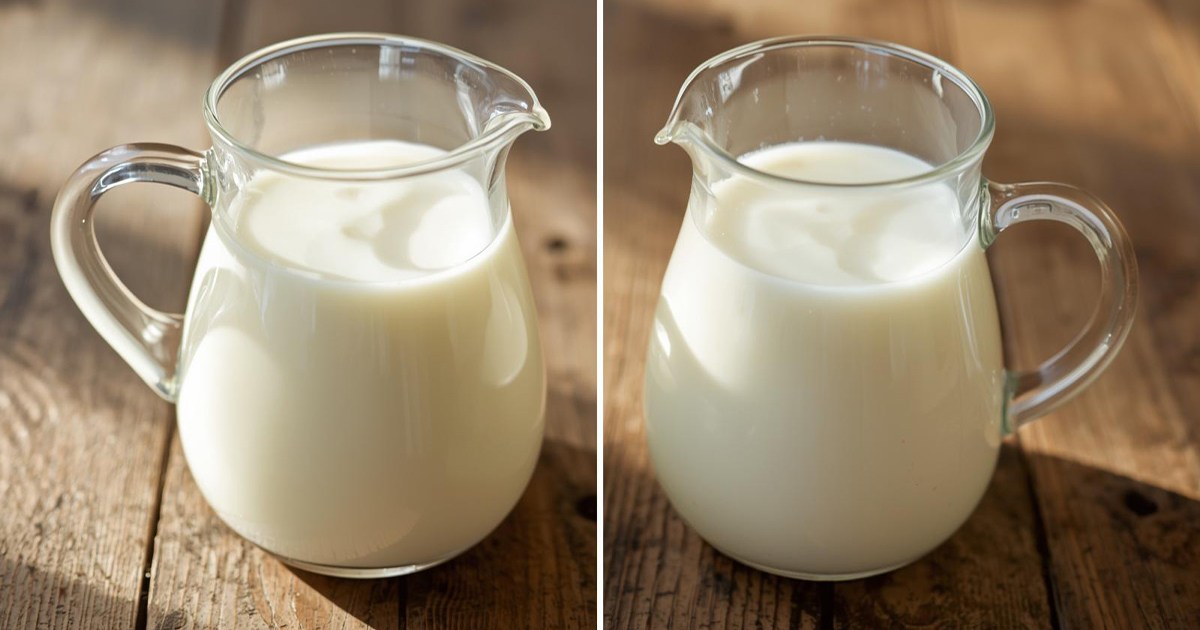
Buffalo milk and cow milk are two of the most widely consumed dairy products globally. While both provide essential nutrients such as protein, calcium, vitamins, and healthy fats, their nutritional density, fat composition, digestibility, and caloric value differ significantly. Buffalo milk is thicker, creamier, and richer in fat and total solids, whereas cow milk is lighter and often considered easier to digest. These differences influence dietary suitability for children, adults, athletes, and individuals managing weight, cholesterol, or metabolic conditions. Understanding their clinical and nutritional distinctions helps consumers make informed decisions aligned with personal health goals. This article provides an evidence-based comparison across key health parameters to support preventive nutrition planning.
Nutritional Differences
Buffalo milk generally contains higher calories, protein, and fat compared to cow milk. On average, buffalo milk provides about 95-110 kcal per 100 ml, while cow milk provides approximately 60-70 kcal per 100 ml. The higher fat content in buffalo milk contributes to its thick texture and greater energy density, making it beneficial for individuals requiring higher caloric intake.
Nutritional Profile (Per 100 ml) - Buffalo Milk- Calories: ~100 kcal
- Protein: ~4.5 g
- Fat: ~6-8 g
- Calcium: High
- Total Solids: Higher
- Calories: ~65 kcal
- Protein: ~3.2 g
- Fat: ~3-4 g
- Calcium: Moderate to High
- Total Solids: Lower
Both varieties are excellent sources of high-quality protein and essential micronutrients, though buffalo milk offers a denser nutrient profile.
Fat Composition and Cholesterol Considerations
Buffalo milk contains a higher percentage of saturated fat compared to cow milk. This contributes to its creamy consistency and longer satiety effect. However, individuals monitoring cholesterol levels may need to consume it in moderation. Cow milk, especially low-fat or skimmed variants, may be more suitable for those following heart-conscious diets.
Both types contain beneficial fatty acids and fat-soluble vitamins such as A and D. Clinical moderation and dietary balance are key, particularly for individuals with dyslipidemia or cardiovascular risk factors.
Heart Health and Cardiovascular Impact
Due to its higher saturated fat content, buffalo milk may contribute to increased LDL cholesterol levels if consumed excessively. Cow milk, particularly toned or skimmed versions, is often recommended in preventive cardiology dietary plans.
For individuals assessing cardiovascular risk, routine screening through:
is advisable to monitor cholesterol levels and systemic inflammation markers.
Impact on Blood Glucose and Metabolism
Both buffalo and cow milk contain lactose, a natural milk sugar. Their glycemic index is relatively low, making them suitable in moderate portions for most individuals. The higher fat content in buffalo milk may slow gastric emptying, potentially leading to steadier glucose absorption.
Individuals with diabetes or insulin resistance should monitor dairy intake and consider routine testing through:
for effective metabolic health monitoring.
Bone Strength and Growth Support
Both milk types are rich in calcium and phosphorus, essential for bone mineralization and skeletal health. Buffalo milk contains slightly higher calcium content, supporting bone density and growth in children and adolescents. It may also benefit elderly individuals at risk of osteoporosis.
Cow milk remains a widely recommended option due to its balanced nutrient profile and ease of digestion. Adequate vitamin D levels further enhance calcium absorption from both milk types.
Weight Management and Satiety
Buffalo milk’s higher fat content increases caloric density and promotes prolonged satiety, which may reduce frequent snacking. However, for individuals aiming for calorie restriction or weight loss, cow milk—particularly low-fat variants—may be more appropriate.
Dietary planning should consider overall caloric balance, physical activity, and individual metabolic needs.
Digestibility and Lactose Tolerance
Cow milk is generally considered easier to digest due to its lower fat content and lighter consistency. Buffalo milk, being thicker, may take longer to digest. However, both contain similar lactose levels and may cause discomfort in individuals with lactose intolerance.
Fermented dairy products such as yogurt may improve tolerance in sensitive individuals.
Immunity and Protein Quality
Both milk types provide high-quality complete proteins containing essential amino acids necessary for immune cell production and tissue repair. Buffalo milk’s higher protein concentration may benefit athletes and growing children.
Additionally, milk contains immunoglobulins and micronutrients such as zinc and vitamin A, which support immune resilience.
Culinary Uses and Taste Differences
Buffalo milk is creamier and ideal for preparing dairy products such as paneer, yogurt, and traditional sweets due to its high fat and total solids content. Cow milk has a lighter taste and is commonly used for daily consumption, tea, coffee, and breakfast cereals.
Choice often depends on taste preference, culinary application, and nutritional goals.
Conclusion
Buffalo milk and cow milk each offer distinct nutritional advantages. Buffalo milk is richer in calories, fat, protein, and calcium, making it suitable for high-energy requirements and culinary richness. Cow milk provides a lighter, more digestible alternative and is often preferred for heart-conscious and calorie-controlled diets. Selecting the appropriate option depends on individual health goals, metabolic status, and dietary preferences. Moderation and personalized nutrition guidance remain essential for optimal health outcomes.
FAQs
Which milk is healthier - buffalo or cow?
Both are healthy. Buffalo milk is richer in nutrients, while cow milk is lighter and easier to digest.
Is buffalo milk higher in fat?
Yes, buffalo milk contains significantly more fat than cow milk.
Is cow milk better for weight loss?
Low-fat cow milk may be more suitable for calorie-controlled diets.
Can people with lactose intolerance drink these milks?
Both contain lactose. Lactose-intolerant individuals may require lactose-free alternatives.
Web References
- USDA FoodData Central - Milk Nutrition Profile.
- National Dairy Development Board (NDDB) - Buffalo Milk Composition Data.
- Harvard T.H. Chan School of Public Health - Dairy and Health.
- National Institutes of Health (NIH) - Calcium and Bone Health Research.
- American Heart Association - Dietary Fats and Cardiovascular Health.